
If you are experiencing problems with your septic system, it is critical that you call a professional right away. Septic issues do not resolve themselves, and waiting only compounds the problem. What may start as a minor issue can quickly escalate into a major system failure that is far more expensive to repair or replace. The sooner you address the warning signs, the more options you will have and the less damage your property will sustain.
Below are the most common signs that your septic system may be failing, along with the underlying causes that lead to each problem.
Ponding Water
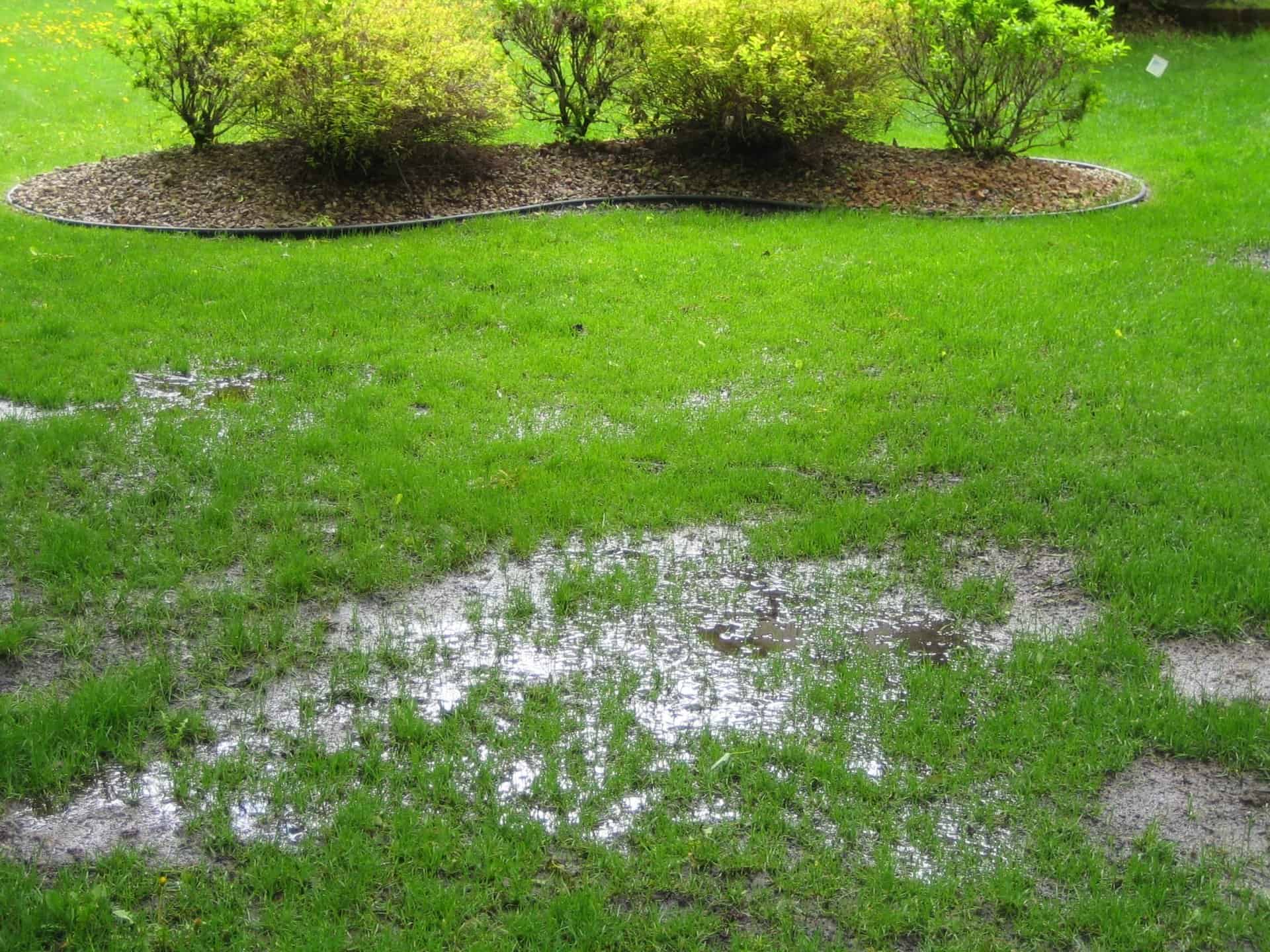
One of the most telling signs that something is seriously wrong with your septic system is unusual ponding water in your yard. If you notice areas of standing water or unusually soggy ground near your septic tank or drain field, especially during dry weather, this is a major red flag. Ponding water typically means that septage or effluent is leaking out of your system and saturating the soil surface rather than being properly absorbed underground.
This is not just an inconvenience or an eyesore. Ponding septage poses a real health risk to your family, your neighbors, and the environment. If your property uses a well for drinking water, contaminated septage leaking into your yard can potentially reach your well water supply, creating a dangerous situation for everyone in your household.
What Leads to Ponding Water?
Damaged Drain Field or Buildup of Biomat: The drain field is responsible for dispersing effluent into the surrounding soil where it is naturally treated. Over time, a biological layer called biomat can form at the soil interface where the effluent meets the native soil. Biomat is a natural part of the treatment process, but when it builds up excessively, it can clog the soil and prevent the effluent from absorbing properly. When this happens, the effluent has nowhere to go and rises to the surface. In some cases, aeration of the drain field can break down the biomat and restore proper function. However, if the biomat buildup is severe or the drain field components have been physically damaged, a full drain field replacement may be necessary.
Leak in Septic Tank: A cracked or damaged septic tank can leak untreated septage directly into the surrounding soil. Unlike effluent that has been partially treated in the tank, raw septage contains high concentrations of harmful bacteria, viruses, and pathogens. A leaking tank is a serious health hazard and typically requires the tank to be replaced.
Sewer Line Damage: Sometimes the problem is not with the septic tank or drain field itself, but with the sewer line that connects your home to the tank. Over time, sewer pipes can degrade, crack, or become damaged by tree roots, ground shifting, or age. If the sewer line is the source of the problem, you may only need a line replacement rather than a full system replacement, which is a significantly less costly repair.
Foul Smells and Sewage Smells
If you are noticing foul odors or sewage smells inside your home or around your property, your septic system may be damaged. A properly functioning septic system is designed to contain gases and odors within the sealed tank and vent them safely through your home's plumbing vent stack. When the system is compromised, these gases can escape through damaged components and find their way back through your plumbing fixtures or seep up through the ground near the tank and drain field.
What Leads to Foul Smells?
Drain Field Malfunction: When a drain field is not functioning properly, effluent is not being absorbed into the soil as designed. Instead of percolating down through the soil for natural treatment, the wastewater saturates the surrounding area improperly. This improper soil saturation allows septic gases to escape to the surface, producing the foul smells you notice in your yard or even inside your home.
Effluent Filter or Sanitary T-Baffle Issues: Your septic tank is equipped with an effluent filter and sanitary T-baffles that control the flow of wastewater out of the tank and prevent solids from entering the drain field. When the effluent filter becomes plugged with accumulated solids, it can cause wastewater to back up in the tank and eventually into your home. A dislodged or damaged T-baffle can allow solids to pass into the drain field, causing clogs and premature system failure. Both of these components should be checked during regular maintenance visits.
Tank Leak or Damaged Tank: A cracked or deteriorated septic tank can allow groundwater to penetrate into the tank, disrupting the treatment process and causing the tank to overflow. Conversely, a leaking tank allows untreated septage to escape into the surrounding soil. In either case, the system cannot properly contain and treat wastewater, and the tank will likely need to be replaced.
Broken Lids or Risers: The lids and risers on your septic tank provide access for pumping and inspection while creating an airtight seal that contains odors and gases. When lids or risers become cracked, broken, or improperly sealed, septic gases can escape directly into the air around your tank. This is often the simplest problem to fix, as replacing a damaged lid or riser is far less costly than replacing the entire system.
SAFETY WARNING: Children fall into improperly sealed or damaged septic tanks every year, and these accidents can be fatal. If you notice broken lids, cracked risers, or any openings in your septic tank, address the problem immediately. Keep children and pets away from the area until repairs are made. Never leave a septic tank opening uncovered or improperly secured.
Sewage Backup Into Home
One of the most distressing septic problems homeowners face is sewage backing up into the home. This is one of the most common calls we receive at SewerTime. When your septic system fails, wastewater has nowhere to go but back the way it came, and it will come up through the lowest points in your plumbing system. This typically means sewage appearing in your showers, bathtubs, sinks, and toilets.
Sewage backup is not only extremely unpleasant but can cause significant damage to your home. Contaminated water can ruin flooring, drywall, personal belongings, and create serious health hazards from exposure to bacteria and pathogens. The cleanup and restoration costs from a sewage backup can be substantial, on top of the cost of repairing or replacing the septic system that caused it.
What Leads to Sewage Backups?
Failure to Pump and Maintain Tank: The single most common cause of sewage backups is failure to pump and maintain your septic tank on a regular schedule. Under normal usage conditions, a septic tank should be pumped every 3 years. This removes the accumulated sludge and scum layers that build up over time and keeps the tank operating with enough capacity to properly treat incoming wastewater.
Larger families or households with higher than average water usage may need to pump more frequently than every 3 years. If your household has more people than the system was designed for, or if you use a garbage disposal, have a hot tub, or do an unusually large amount of laundry, your tank will fill up faster and require more frequent pumping.
When a tank is not pumped often enough, the sludge and scum layers eventually take up too much of the tank's capacity. There is not enough room for incoming wastewater to be properly treated, and solids begin to pass through to the drain field or back up into the home. By the time sewage is backing up into your house, the problem has usually been building for a long time.
Prevention: Maintaining Your Septic System
The best way to avoid the expensive and unpleasant problems described above is to maintain your septic system proactively rather than waiting for something to go wrong. Here are the key steps every septic system owner should follow:
- Pump your tank regularly: Have your septic tank pumped every 3 years under normal usage. If your household is larger than average or has higher water usage, consult with your septic professional about a more frequent pumping schedule.
- Schedule annual inspections: A professional annual inspection can catch small problems before they become major failures. Your septic technician can check the sludge and scum levels, inspect baffles and filters, check for leaks, and evaluate the condition of your drain field.
- Work with a professional septic company: Your septic system is a significant investment that protects your home and your family's health. Work with a licensed, experienced septic company that understands the specific soil conditions and regulations in your area. A good septic professional will help you develop a maintenance plan tailored to your system and usage patterns.
- Watch what goes down the drain: Avoid flushing anything other than human waste and toilet paper. Do not pour cooking grease, chemicals, medications, or other harmful substances into your drains. These can disrupt the biological treatment process in your tank and damage your system.
- Protect your drain field: Do not drive vehicles or heavy equipment over your drain field. Do not plant trees or shrubs near the drain field, as roots can damage the pipes and soil treatment area. Keep surface water runoff from roofs and driveways directed away from the drain field area.
Taking care of your septic system is far less expensive than replacing one. With proper maintenance and regular professional service, a well-designed septic system can serve your home reliably for decades.
Not sure if you need repairs or a new system? Call SewerTime Septic & Drain at (602) 777-7867 for a professional assessment.