Grease traps play a critical role in commercial kitchens, restaurants, and food service operations. These devices intercept fats, oils, and grease (FOG) before they enter the municipal sewer system or your septic system. Without proper and regular grease trap cleaning, grease traps can cause serious plumbing problems, environmental contamination, and health code violations. Understanding how they work and why maintenance matters is the first step to keeping your kitchen running smoothly.
How Grease Traps Work
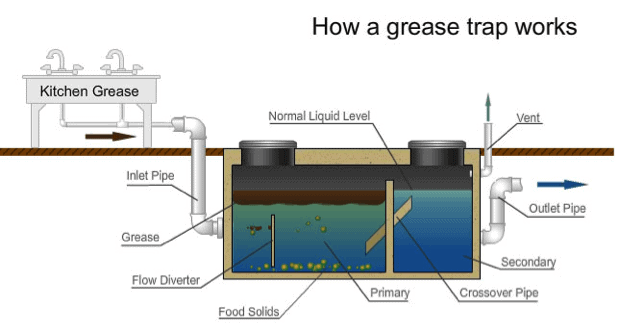
A grease trap is a plumbing device designed to intercept fats, oils, and grease before they enter a wastewater disposal system. When wastewater from sinks and dishwashers flows into the trap, the FOG rises to the top because it is lighter than water. The cleaner water then flows out from the bottom of the trap and into the sewer or septic system.
Over time, the accumulated FOG layer thickens. If the trap is not cleaned regularly, the grease layer becomes too thick and begins to pass through to the outgoing wastewater line. This leads to clogs, backups, and potentially costly damage to your plumbing infrastructure.
The cleaning process involves removing the entire contents of the trap, including the floating grease layer, the wastewater in the middle, and the settled solids at the bottom. Professional cleaning ensures that all layers are properly evacuated and disposed of in compliance with local regulations.
Risks of Grease Trap Overflows
Neglecting grease trap maintenance can lead to a range of serious problems for your business and the surrounding environment:
- Plumbing damage: Grease buildup in your lines can cause blockages that result in slow drains, backups, and even pipe damage that requires expensive plumbing repairs.
- Environmental contamination: FOG that enters the sewer system can cause sanitary sewer overflows (SSOs), releasing untreated wastewater into streets, waterways, and the surrounding environment.
- Health hazards: Overflowing grease traps create unsanitary conditions in your kitchen, including foul odors, pest attraction, and potential exposure to harmful bacteria.
- Regulatory fines: Health departments and municipal authorities can issue citations and fines for grease trap violations. Repeated offenses may result in forced closure of your establishment.
- Business disruption: A grease trap overflow can shut down your kitchen operations until the problem is resolved, resulting in lost revenue and damage to your reputation.
Choosing the Right Cleaning Service
When selecting a grease trap cleaning provider, there are several important factors to consider to ensure you receive professional, compliant service:
- Proper licensing and certification: Your service provider should hold all required state and local licenses for grease trap pumping and waste disposal. In Arizona, this includes proper ROC licensing and waste hauler permits.
- Regulatory compliance: The company should understand and follow all local, state, and federal regulations regarding FOG disposal. They should provide a manifest or receipt documenting proper disposal at an approved facility.
- Eco-friendly practices: Look for a provider that uses environmentally responsible methods. Grease should be recycled or disposed of at approved facilities, never illegally dumped.
- Reliable scheduling: Your provider should offer flexible scheduling options that work around your kitchen hours, including after-hours or early-morning service to minimize disruption to your operations.
- Detailed documentation: Professional companies provide thorough cleaning reports, including before-and-after conditions, volume removed, and disposal records for your compliance files.
The Cleaning Process
A thorough grease trap cleaning involves much more than simply scooping out the top layer of grease. Here is what a professional cleaning service should include:
- Full evacuation: The entire contents of the grease trap are pumped out, including the floating grease layer, the wastewater in the middle, and the settled solids at the bottom. Nothing is left behind.
- Water cleansing: After the initial pump-out, the trap is flushed with clean water to remove any remaining residue from the walls, baffles, and inlet/outlet pipes.
- Double emptying: The rinse water is also pumped out, ensuring the trap is completely clean and ready for service. This second pass catches any grease or solids dislodged during the flushing step.
- Inspection: A visual inspection of the trap components is performed to check for damage, corrosion, or wear that could affect performance.
- No harsh chemicals: Professional cleaning relies on mechanical pumping and water flushing rather than chemical solvents or emulsifiers. Chemicals can damage the trap and push grease further into your plumbing system rather than removing it.
Maintenance Tips
Between professional cleanings, there are several steps you can take to keep your grease trap functioning properly and extend the time between service calls:
- Regular inspections: Check your grease trap weekly to monitor the grease accumulation level. Most traps should be cleaned when the grease layer reaches 25% of the total trap depth.
- Proper disposal practices: Train your kitchen staff to scrape plates and cookware into the trash before washing. Never pour cooking oil or grease directly down the drain.
- Use strainers: Install mesh strainers in all sink drains to catch food particles and debris before they enter the grease trap.
- Keep detailed records: Maintain a log of all cleaning dates, volumes removed, and inspection findings. This documentation is essential for regulatory compliance and helps you track maintenance patterns.
- Monitor water temperature: Extremely hot water can melt grease and push it through the trap. Use moderate water temperatures when cleaning dishes and equipment.
Signs Your Grease Trap Needs Replacement
Even with regular maintenance, grease traps do not last forever. Here are the warning signs that your trap may need to be replaced rather than simply cleaned:
- Failed inspections: If your grease trap consistently fails health department inspections despite regular cleaning, the trap itself may be damaged or undersized for your operation.
- Constant backups: Repeated backups that occur shortly after cleaning indicate a structural problem with the trap, such as damaged baffles or a compromised seal.
- Persistent bad odors: Foul smells that persist even after a thorough professional cleaning may indicate cracks or damage that allow grease and waste to seep into surrounding areas.
- Visible corrosion or damage: Cracks, rust, and deterioration of the trap body or internal components mean the trap can no longer function as designed.
- Increased service frequency: If you find yourself needing cleanings more and more frequently to maintain acceptable grease levels, the trap may be too small for your current volume of operations.
Regular grease trap cleaning is not just a regulatory requirement; it is an investment in the long-term health of your plumbing system, your business, and the environment. By partnering with a licensed, experienced service provider and maintaining good kitchen practices, you can prevent costly emergencies and keep your commercial kitchen operating at peak efficiency.
Need professional grease trap cleaning for your commercial kitchen? Call SewerTime Septic & Drain at (602) 777-7867 to schedule service today.