
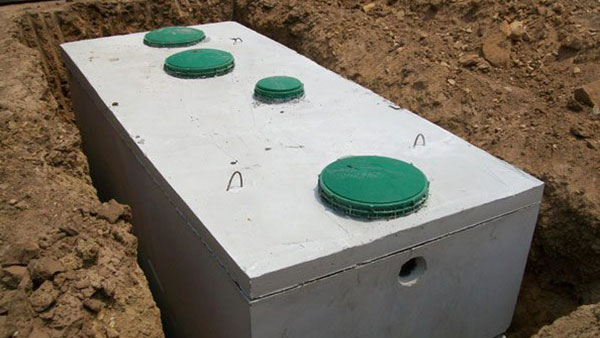
Installing a new septic system is a significant investment for any homeowner. Whether you are building a new home, replacing a failed system, or converting from a cesspool to a modern septic system, understanding the costs involved helps you plan your budget and make informed decisions. The total cost depends on the type of system, the drain field design required for your property, soil conditions, and local permitting requirements. This guide covers the most common system types used in the Phoenix area and what you can expect to pay.
Understanding Septic System Types
There are several types of septic systems available, ranging from simple conventional gravity-fed systems to more advanced alternative systems. The type of system your property requires depends on factors including soil percolation rates, lot size, setback requirements, groundwater depth, and local regulatory codes. For most residential properties in the Phoenix metropolitan area, a conventional septic system is the standard and most cost-effective option.
Alternative systems such as aerobic treatment units, mound systems, and pressure distribution systems are sometimes required when site conditions do not support a conventional design. These alternative systems are more complex and typically cost more to install and maintain. Your septic system designer will evaluate your property's specific conditions and recommend the most appropriate system type.
The Conventional Septic System
A conventional septic system is the most common type installed in residential settings. It is a gravity-fed system, meaning it relies on the natural force of gravity to move wastewater through the treatment process without pumps or mechanical components.
Here is how a conventional system works:
- Wastewater collection: All wastewater from your home, including water from toilets, sinks, showers, dishwashers, and washing machines, flows through your home's plumbing into a single main sewer line that leads to the septic tank.
- Primary treatment in the tank: Inside the septic tank, wastewater is held long enough for solids to settle to the bottom as sludge, while oils and grease float to the top as a scum layer. Naturally occurring bacteria begin breaking down the organic matter. The partially treated liquid in the middle layer, called effluent, flows out of the tank.
- Distribution to the drain field: The effluent exits the tank through an outlet baffle and flows by gravity into the drain field, also called a leach field. The effluent is distributed across a network of pipes or chambers buried in trenches.
- Final treatment in the soil: As the effluent percolates through the gravel and into the surrounding soil, naturally occurring microorganisms in the soil provide the final stage of treatment, removing harmful bacteria, viruses, and nutrients before the water reaches the groundwater table.
The simplicity of conventional systems is a major advantage. With no mechanical parts, there is less that can go wrong, and maintenance is straightforward. A well-designed and properly maintained conventional system can last 25 to 30 years or more.
Drain Field Types
The drain field is where the final treatment of wastewater happens, and it is often the most significant component of the overall system cost. There are several drain field designs, and the right one for your property depends on soil conditions, available space, and local regulations.
Chamber Drain Field
A chamber drain field uses lightweight polyethylene arch-shaped structures that are placed in excavated trenches. These prefabricated chambers create an open space beneath them where effluent collects and slowly absorbs into the surrounding soil. Chamber systems have become increasingly popular because they do not require gravel fill, which reduces material and labor costs. They also provide more storage capacity for peak flow periods and are easier to install in a variety of soil conditions. Chamber systems are a common choice for new residential installations in the Phoenix area.
Rock Trench Drain Field
A rock trench drain field, also known as a gravel trench system, is the traditional drain field design that has been used for decades. It consists of perforated pipes laid in trenches that are filled with a bed of washed gravel or crushed rock. The effluent flows through the perforated pipes and filters down through the gravel, which provides a surface area for bacterial treatment before the water reaches the native soil below. While rock trench systems are proven and reliable, they require significant amounts of gravel, which adds to the material and hauling costs. They are still commonly used where soil conditions are well-suited to this design.
Seepage Pit
A seepage pit, sometimes called a dry well, is a deep vertical excavation rather than a horizontal trench system. Seepage pits are typically drilled 25 to 50 feet deep and lined with perforated concrete rings or blocks that allow effluent to seep into the surrounding soil at various depths. Seepage pits are used when the property has limited horizontal space for a conventional drain field or when deeper soil layers have better percolation rates than the surface soil. They are common in areas where lot sizes are smaller or where rock layers near the surface prevent shallow trench installation. The drilling and construction of seepage pits requires specialized equipment, which can affect overall project costs.
How Much Does It All Cost?
The total cost of a new septic system installation in the Phoenix area depends on the system type, drain field design, site conditions, and permitting requirements. Here is a breakdown of what is typically included and what you can expect to budget.
A complete new conventional septic system installation typically costs $13,000 to $15,000 in the Phoenix metropolitan area. This price generally includes the following components:
- Soils testing and percolation tests: Before any system can be designed, the soil on your property must be tested to determine its absorption rate and suitability for a drain field. A certified soils technician takes samples and conducts percolation tests, which are required by Maricopa County for permit approval.
- System design: A licensed septic system designer creates the site plan and system specifications based on the soils report, your home's size and expected wastewater output, and local code requirements. The design documents are submitted to the county for permit review and approval.
- Permitting: All new septic system installations in Arizona require permits from the county environmental services department. Permit fees and the review process are factored into the overall project cost.
- Septic tank and materials: The cost of the septic tank itself, along with all piping, fittings, distribution boxes, risers, lids, and drain field materials such as chambers, gravel, or seepage pit components.
- Excavation and installation: The labor and equipment required to excavate the site, set the tank, install all piping, construct the drain field, and backfill and grade the site upon completion.
- Final inspection: After installation, the system must pass a final inspection by the county before it can be covered and put into service.
Keep in mind that costs can increase if your property presents unique challenges, such as difficult access for equipment, rocky soil conditions requiring specialized excavation, steep terrain that affects system design, or unusually large homes that require larger tanks and expanded drain fields. Alternative system types, such as aerobic treatment units or pressure distribution systems, will also cost more than a conventional gravity system.
Ready to discuss a new septic system for your property? Call SewerTime Septic & Drain at (602) 777-7867 for a free consultation and estimate.