
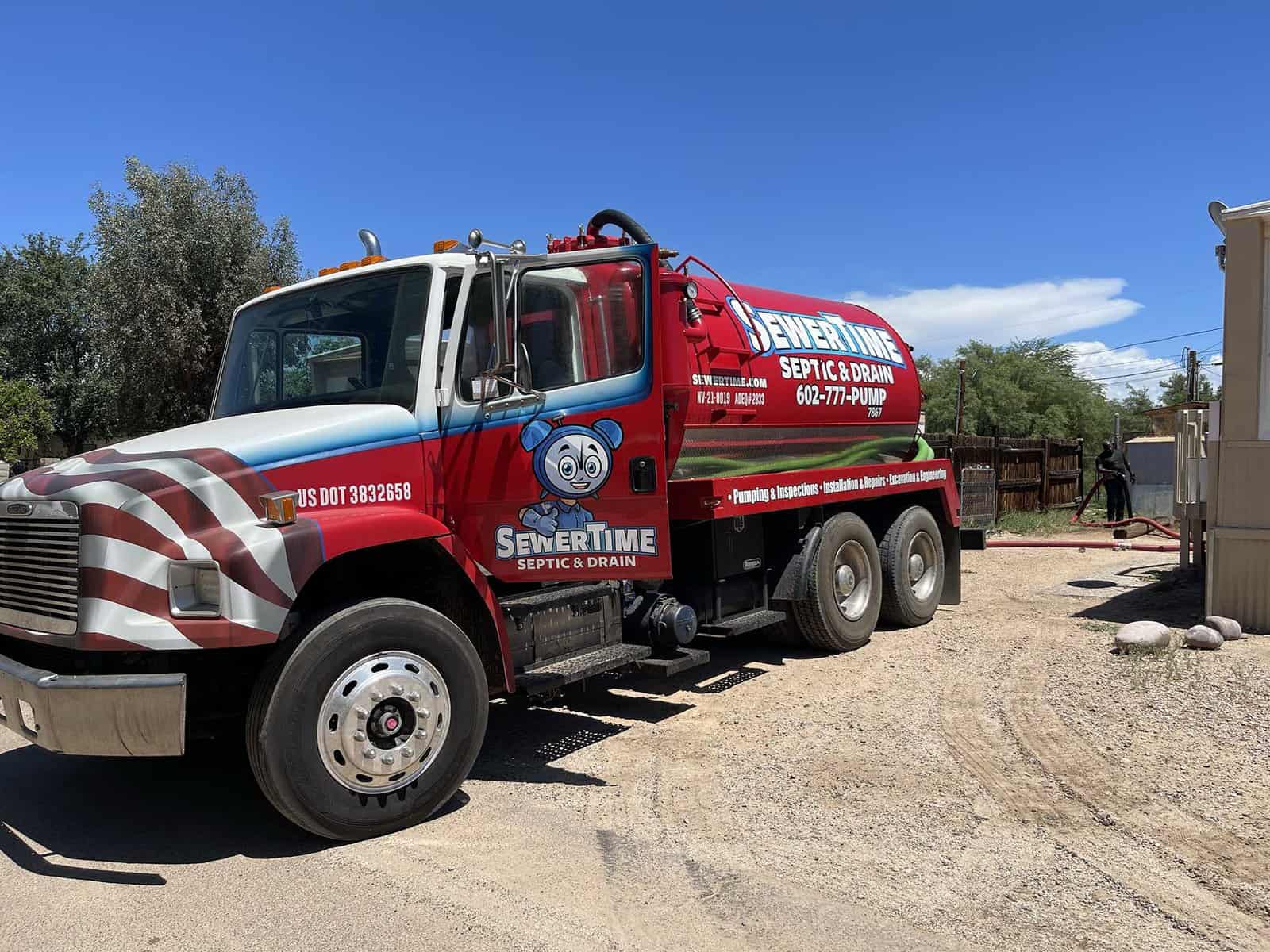
Septic tank pumping is one of the most important maintenance tasks for any homeowner with a septic system. Whether you have recently moved to a property with a septic tank or have been managing one for years, understanding how to find a reliable pumping service, what the process involves, and how often your tank needs attention can save you thousands of dollars in repairs and protect your family's health. This guide covers everything you need to know about septic tank pumping in your area.
Finding a Septic Tank Pumping Service Near You
Locating a trustworthy septic tank pumping service is the first step in maintaining your system. With the right approach, you can find a provider who is licensed, experienced, and fairly priced.
- Ask for recommendations: Talk to neighbors, friends, and family members who have septic systems. Personal referrals are often the most reliable way to find a quality service provider, especially in rural and suburban areas where septic systems are common.
- Search online with local terms: Use search phrases like "septic tank pumping near me" or "septic pumping service in [your city]." Check Google Business profiles for reviews and ratings from real customers in your area.
- Verify certifications and licenses: A reputable septic service company should hold all required state and local licenses. In Arizona, look for a valid ROC (Registrar of Contractors) license. Make sure the company carries liability insurance and proper waste hauler permits to transport and dispose of septic waste legally.
Understanding the Septic Tank Pumping Process
Knowing what happens during a septic tank pumping appointment helps you prepare and ensures the job is done correctly. Here is what a typical service visit involves:
- Locating the tank: The technician will first locate your septic tank and its access ports. If your tank lids are buried, the technician may need to probe or dig to find them. Keeping a record of your tank location and installing risers can save time and money on future visits.
- Inspecting the tank: Before pumping begins, the technician should inspect the tank's condition, checking the inlet and outlet baffles, the scum and sludge layers, and the overall structural integrity of the tank.
- Pumping the contents: Using a vacuum truck, the technician removes all of the tank's contents, including the floating scum layer, the liquid effluent, and the settled sludge at the bottom. A thorough pump-out removes everything, leaving the tank essentially empty.
- Post-pump inspection: After the tank is emptied, the technician can get a clear view of the tank walls, baffles, and fittings to check for cracks, deterioration, or other issues that may need repair.
- Proper waste disposal: The pumped waste must be transported to an approved treatment facility or municipal wastewater plant. Your service provider should be able to document where and how the waste is disposed of in compliance with local environmental regulations.
Factors Affecting Septic Tank Pumping Frequency
How often your septic tank needs pumping depends on several variables specific to your household and system. Understanding these factors helps you plan a maintenance schedule that keeps your system healthy.
- Household size: The more people living in your home, the more wastewater your septic system processes daily. A household of four typically generates significantly more waste than a couple, meaning the tank fills faster and requires more frequent pumping.
- Tank size: Smaller tanks fill up more quickly and need pumping more often. A 750-gallon tank serving a family of four may need pumping every one to two years, while a 1,500-gallon tank with the same household may go three to five years between pumpings.
- Water usage habits: High water usage accelerates the rate at which your tank fills. Households that do multiple loads of laundry per day, take long showers, or run the dishwasher frequently will need to pump more often than water-conscious households.
- Garbage disposal use: If your home has a garbage disposal, the additional food waste entering the tank increases the rate of solid accumulation. Homes with garbage disposals may need pumping up to 50% more frequently.
- Lifestyle factors: Hosting frequent large gatherings, operating a home business, or having guests stay for extended periods all increase the load on your septic system and may shorten the interval between pumpings.
Costs and Time Involved
Understanding what septic tank pumping costs and how long it takes helps you budget for this essential maintenance task.
- Typical cost range: Most homeowners can expect to pay between $400 and $700 for a standard septic tank pumping. The exact cost depends on your tank size, how accessible the tank is, your location, and how long it has been since the last pumping.
- Time required: A standard pumping of an average 1,000-gallon tank typically takes 1 to 2 hours from start to finish. This includes locating the access ports, pumping, and performing a basic inspection. Larger tanks or tanks that have not been pumped in many years may take longer.
- Additional costs: If your tank lids are buried and require excavation, there may be an additional charge. Riser installations, baffle repairs, or filter replacements discovered during the inspection will also add to the total cost.
- Cost of neglect: While pumping costs may seem significant, they pale in comparison to the cost of repairing or replacing a failed septic system, which can run anywhere from $5,000 to $30,000 or more depending on the extent of the damage.
Signs Your Septic Tank Needs Pumping
While following a regular pumping schedule is ideal, there are warning signs that indicate your tank may need attention sooner than planned. Do not ignore these symptoms, as they can quickly escalate into expensive problems.
- Slow drains throughout the house: If multiple drains in your home are draining slowly at the same time, this is a strong indicator that your septic tank is full or nearly full. A single slow drain may be a localized clog, but multiple slow drains point to the septic system.
- Unpleasant odors: Foul smells near your drains, around the septic tank area, or in your yard near the drain field are a clear sign that your tank needs pumping. These odors come from gases produced by decomposing waste in an overfull tank.
- Wet or soggy spots in the yard: Unexplained wet areas or standing water near your septic tank or drain field suggest that the tank is overflowing and pushing untreated effluent to the surface. This is both a health hazard and an environmental concern.
- Sewage backup: The most serious warning sign is sewage backing up into your home through toilets, showers, or floor drains. If this happens, you need emergency pumping service immediately.
- Unusually green or lush grass: A patch of grass over your septic tank or drain field that is noticeably greener and healthier than the surrounding lawn may be feeding on excess nutrients from an overflowing or leaking tank.
Maintaining Your Septic System Between Pumpings
Proper care between professional pump-outs extends the life of your septic system and reduces the frequency of required service. These habits make a real difference in how your system performs.
- Conserve water: Spread laundry loads throughout the week rather than doing them all in one day. Fix leaking faucets and running toilets promptly. Consider installing low-flow fixtures to reduce the volume of water entering your septic system.
- Be mindful of what goes down the drain: Never flush anything other than human waste and toilet paper. Avoid pouring cooking grease, coffee grounds, paint, chemicals, or medications down any drain. These materials can disrupt the bacterial balance in your tank and cause clogs.
- Protect your drain field: Do not park vehicles or place heavy objects over your drain field. Avoid planting trees or large shrubs near the field, as roots can damage the pipes. Direct rainwater drainage and sump pump discharge away from the drain field area.
- Schedule regular inspections: Have your septic system professionally inspected every one to three years, even between pumping appointments. Regular inspections catch small problems before they become major failures.
- Keep records: Maintain a file with your septic system's as-built diagram, pumping receipts, inspection reports, and any repair records. This documentation helps service providers understand your system's history and is valuable if you ever sell your home.
Frequently Asked Questions
How do I know if my septic tank is full?
The most reliable way to know if your septic tank is full is to have a professional measure the scum and sludge layers. However, common signs that indicate a full tank include slow drains in multiple fixtures, foul odors near the tank or in your home, wet spots in the yard near the tank or drain field, and sewage backing up into the house. If you notice any of these warning signs, schedule a pumping service as soon as possible.
How often should I have my septic tank pumped?
The general recommendation is to have your septic tank pumped every 3 to 5 years. However, the ideal frequency depends on your household size, tank size, water usage, and whether you use a garbage disposal. A family of four with a 1,000-gallon tank and average water use should plan on pumping approximately every 3 years. Your septic service provider can help you determine the best schedule for your specific situation after inspecting your system.
How full should my septic tank be?
A properly functioning septic tank is always "full" of liquid up to the level of the outlet pipe. This is normal. The concern is when the sludge layer at the bottom and the scum layer at the top take up too much of the tank's capacity. As a general rule, your tank needs pumping when the combined sludge and scum layers occupy more than one-third of the total tank volume, or when the bottom of the scum layer is within six inches of the outlet baffle.
Need septic tank pumping service? Call SewerTime Septic & Drain at (602) 777-7867 to schedule service today.