
Septic Design & Permits
Proper system design protects your family and the environment. We design, draw, and create plans for your project — plus help submit paperwork and obtain all required permits.
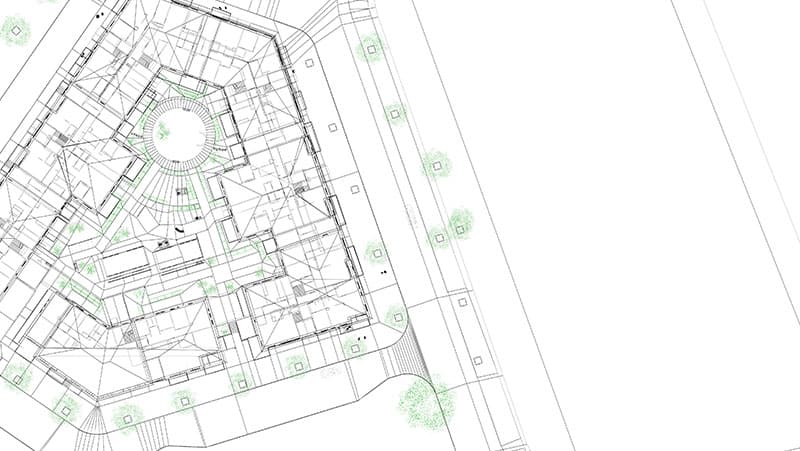
Why Proper Septic Design Matters
A properly designed septic system protects your family and the environment from septage waste. The wrong system — or a system designed incorrectly for your property — creates real health risks and can result in thousands of dollars in fines and repair costs.
At SewerTime, we handle the complete design and permitting process. We design, draw, and create the plans for your project, then help submit all paperwork and obtain the required permits from your county permitting office.
Our team has professional relationships with county permitting offices throughout the Phoenix Metro, which helps ensure a smooth and efficient process from plan to permit.
Don't Risk a Bad Design
An improperly designed septic system can lead to groundwater contamination, sewage surfacing in your yard, health code violations, and expensive remediation. Investing in proper design from the start saves you from costly problems down the road.
What We Handle
- Conventional system design for standard sites
- Alternative system design for challenging sites
- Complete plan drawings and specifications
- County permit application and submittal
- Professional relationships with county offices
- Full coordination with installation team
Our Two-Phase Process
We break the design and permitting process into two clear phases, keeping you informed at every step.
Site & Soil Evaluations
The first phase establishes what your property can support. We conduct comprehensive soil evaluation, percolation testing, and site analysis to determine the appropriate system type.
Site Visit & Assessment
We visit your property to evaluate topography, setbacks, access, and any site constraints that affect system placement.
Soil Sampling & Analysis
We dig test pits, collect soil samples, and analyze soil composition to determine drainage characteristics and treatment capability.
Percolation Testing
We perform perc tests per county standards to measure water absorption rates. Results determine if a conventional or alternative system is required.
System Design & NOID
With site data in hand, we design the complete system and submit all required documentation to obtain your Notice of Intent to Discharge (NOID) permit from the county.
System Design & Plan Drawing
We design your system based on Phase I results, household size, and county requirements. Complete plans and specifications are drawn up.
Permit Application & Submittal
We prepare and submit all required documentation to the county permitting office, including plans, soil reports, and NOID applications.
Permit Approval & Coordination
We follow up with county offices, address any revision requests, and coordinate permit approval so your installation can begin.
Conventional vs. Alternative Systems
Your soil and site conditions determine which system type is right for your property. We design and permit both.
Conventional Septic Systems
Gravity-fed systems are the most common in Arizona — septic tank to distribution box to leach field. They work well on properties with adequate lot size, proper soil drainage, and favorable percolation rates. Most residential builds in Maricopa County start here.
- Gravity-fed leach field design
- Soil & perc testing to confirm viability
- ADEQ General Permit (4.02) application
- Full plan drawings & county submittal
Alternative Septic Systems
When soil conditions, lot size, or terrain rule out a conventional system, an alternative design gets your project permitted. This includes mound systems, aerobic treatment units (ATUs), pressure-dosed drip fields, and engineered sand filters. Many rural Arizona properties — especially in caliche-heavy areas — require this path.
- Mound, ATU, drip & sand filter designs
- Sites with poor perc, high rock, or tight setbacks
- Individual ADEQ permit & APP compliance
- Full plan drawings & county submittal
Both paths. One team. We design and permit conventional and alternative systems entirely in-house — no outside engineers, no delays. From the first soil test to your approved permit, it's all SewerTime.